New Russian Frontline Tactics: 'Passive-Aggressive Infiltration' Replaces Massive Assaults
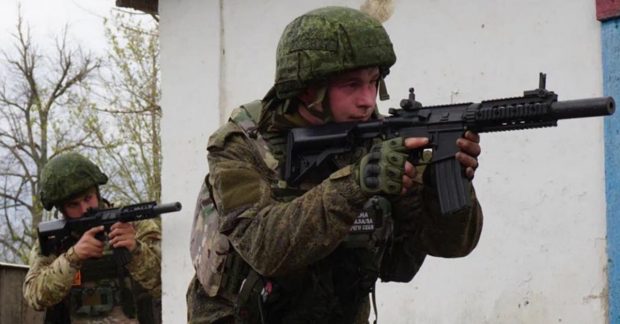
Russian forces have shifted to small-group infiltration tactics designed to lure Ukrainian units into counterattacks under drone strikes.
 🛡️Security
Photo: UNIAN
Key points
- Shift from massive assaults to infiltration
- Creating 'gray zones' to bait counterattacks
- Heavy reliance on drone warfare
- Discrepancies in Russian territorial claims
Russian military command has significantly altered its offensive strategy in Ukraine. Moving away from large-scale mechanized assaults that resulted in heavy equipment losses, the Russian military has adopted a tactic of "passive-aggressive infiltration." This shift was highlighted in a recent analysis by an OSINT researcher known as Monstas.
The mechanics of the new strategy
The core of this new approach involves small infantry groups infiltrating deep into Ukrainian defensive lines while avoiding direct fire contact. The primary objective is not to secure territory but to provoke Ukrainian forces into launching counterattacks. The Russians aim to draw Ukrainian assault groups into areas where they can be effectively targeted by Russian drones.
The analyst notes that this strategy relies on a total disregard for the lives of their own personnel. Russian groups are instructed to disperse and survive while monitoring the area, creating an illusion of control over territories that are not actually occupied. This is evidenced by the discrepancies between Russian maps and the actual progress recorded by independent observers.
This is an interesting strategy that creates incredibly deep "gray zones" on Russian maps, which do not represent real control over the territory, — the analyst states.
Despite the enemy's attempt to adapt, Ukrainian forces continue to effectively detect and neutralize these units using their own drone capabilities. While the long-term effectiveness of this approach remains questionable, it requires unconventional thinking and poses new challenges for defensive operations across the frontline.
Source UNIAN — unian.ua/war/viyna-v-ukrajini-na-fronti-rosiya-viprobovuye-pasivno-… ↗
Read next
 🎭Culture & Sport
Kitchen Trends: How to Transform Space in Cherkasy Apartments
Interior designers are moving away from massive dining sets in favor of functional, cafe-style dining areas.
 🇺🇦Ukraine
Donald Trump comments on the departure of press secretary Karoline Leavitt
President Donald Trump discussed the resignation of White House press secretary Karoline Leavitt, noting the difficulty of finding a suitable replacement.
 🎭Culture & Sport
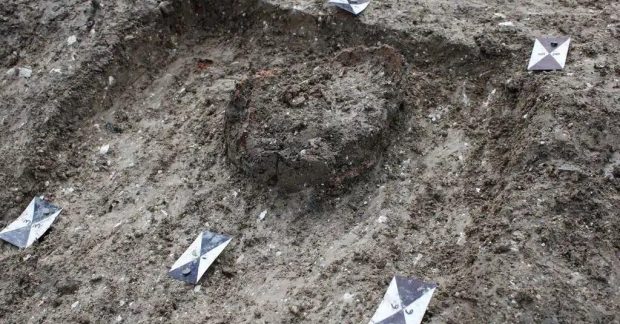
Archaeologists discover unique 1,700-year-old Roman infant burial with birds in Britain
In Buckinghamshire, researchers have unearthed a 1,700-year-old infant burial accompanied by ritual offerings of birds.
 🩺Health
Secrets of Japanese Hair Care: Expert Advice
Japanese hair care methods focus on scalp health and gentle cleansing. Experts share key rituals that help achieve shiny and strong hair.
 🇺🇦Ukraine
Donald Trump publicly calls Vladimir Putin his 'friend' again
The US President posted a photo with the Russian leader on Truth Social, captioning it 'My Friend.' This is not the first time the American politician has used such rheto…
 🚌Transport
Russia Admits Logistical Complications Following Attacks on Crimean Bridge
The Russian government has officially acknowledged significant logistical challenges in supplying Crimea following recent attacks on the Crimean Bridge, signaling upcomin…