Strengthening Cooperation Between Russia, China, Iran, and North Korea: The Economist Analysis
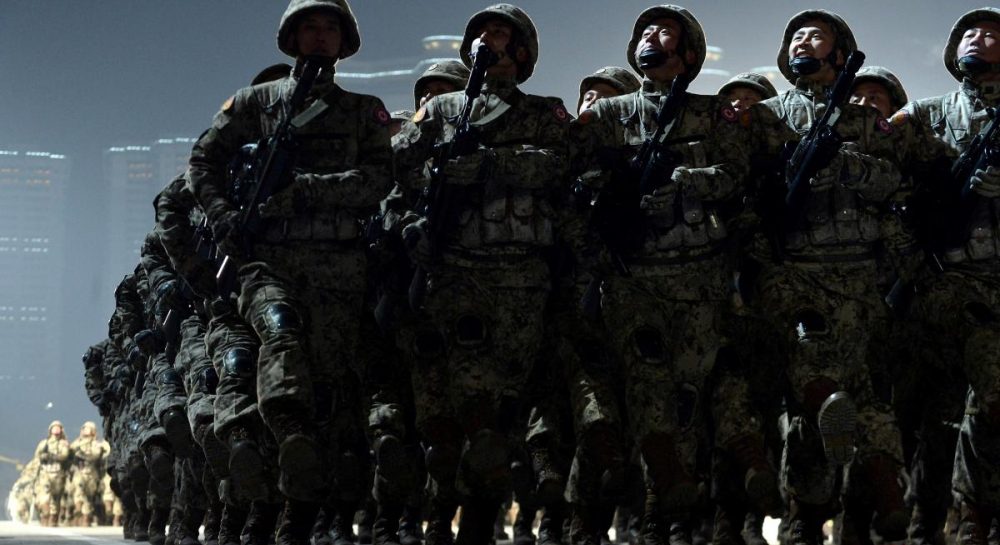
The Economist reports on the formation of an informal alliance between four authoritarian regimes, significantly impacting global security.
 🇺🇦Ukraine
Photo: UNIAN
Key points
- Formation of an informal cooperation network
- Over 600 security-related interactions recorded
- Lack of unified command despite high coordination
A New Geopolitical Reality
Analysts at The Economist note that Russia, China, Iran, and North Korea are moving toward active coordination of their actions. This cooperation includes the exchange of military technologies, intelligence, and joint efforts to circumvent Western sanctions.
According to the FDD think tank, over 600 instances of security-related cooperation were recorded between 2019 and 2025. The intensity of these ties has increased significantly since the start of Russia's full-scale invasion of Ukraine.
Characteristics of the Alliance
Experts emphasize that this group is not a NATO equivalent, as it lacks unified command or mutual defense obligations. Moreover, the interests of the members sometimes conflict: for example, Beijing is interested in stability in the Middle East, while Moscow benefits from instability.
Despite the lack of a formal military bloc, the mutual support of these regimes makes them more resilient to external pressure. It is becoming increasingly difficult for the West to contain these nations individually without a comprehensive, unified strategy.
Source UNIAN — unian.ua/world/rosiya-knr-iran-ta-pivnichna-koreya-stvorili-neforma… ↗
Read next
 👥Society
ISW analysts assess proposals for humanitarian corridors along the frontline
The Institute for the Study of War explains why evacuation initiatives in different combat zones have varying prospects for implementation.
 🛡️Security
Oil refinery attacked again in Novoshakhtinsk, Russia
The Novoshakhtinsk oil refinery in Russia's Rostov region was hit by another attack on the night of November 23.
 🛡️Security
Fragments of latest Russian missiles produced in late 2026 found in Poland
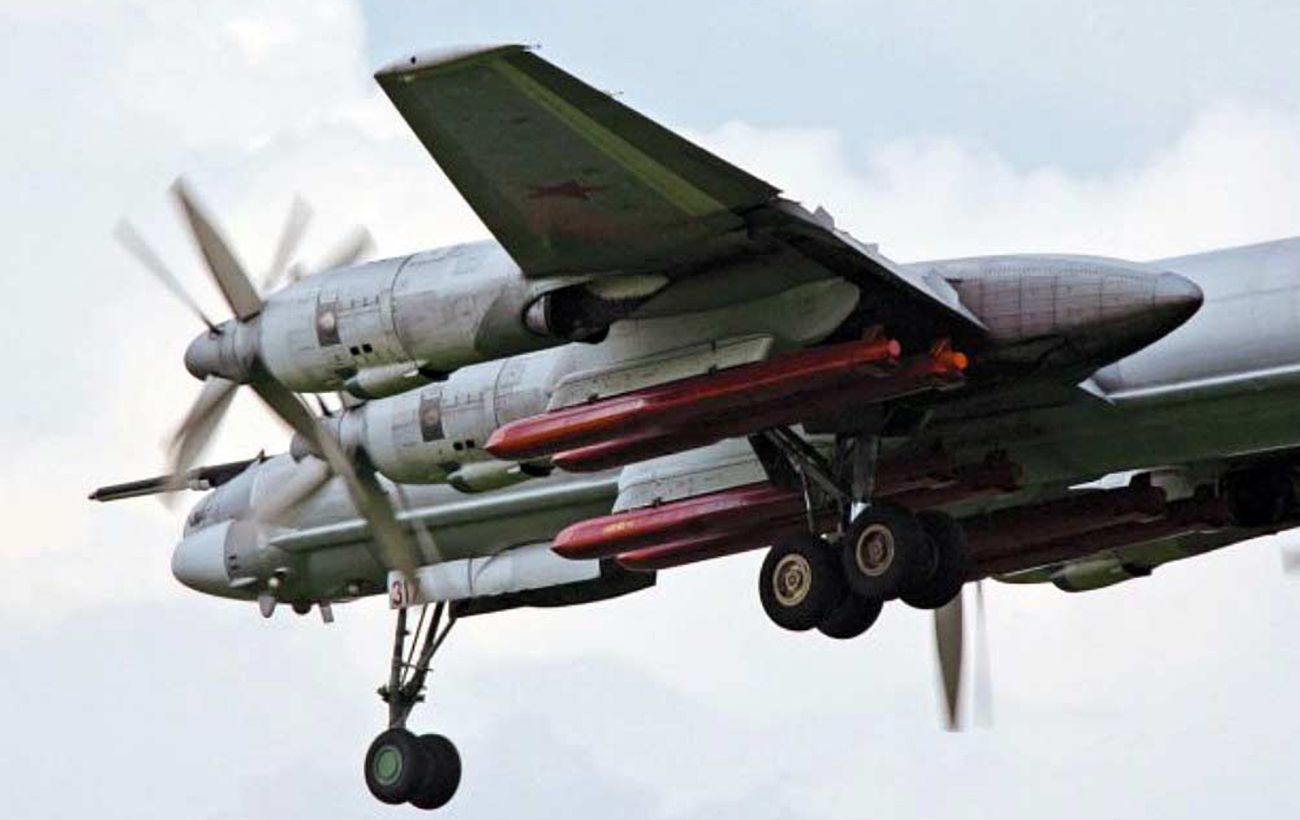
Debris from Russian Kh-101 cruise missiles, manufactured just weeks ago, has been discovered in eastern Poland, triggering an emergency NATO council meeting.
 💼Economy
Charity auction in Lviv region raises UAH 60 million for Ukrainian defenders
A charity auction in the Lviv region has successfully raised UAH 60 million to support the military and provide rehabilitation for a wounded soldier.
 🛡️Security
Russian Missiles Violate Polish Airspace: Incident Details
Polish officials have described the entry of Russian missiles and a drone into their airspace as a deliberate provocation.
 🛡️Security
Another Nighttime Enemy UAV Attack: Regional Situation
On the night of November 23, Russian forces launched another wave of strike drones across Ukraine, utilizing various flight paths.