NASA develops technologies for a permanent lunar base
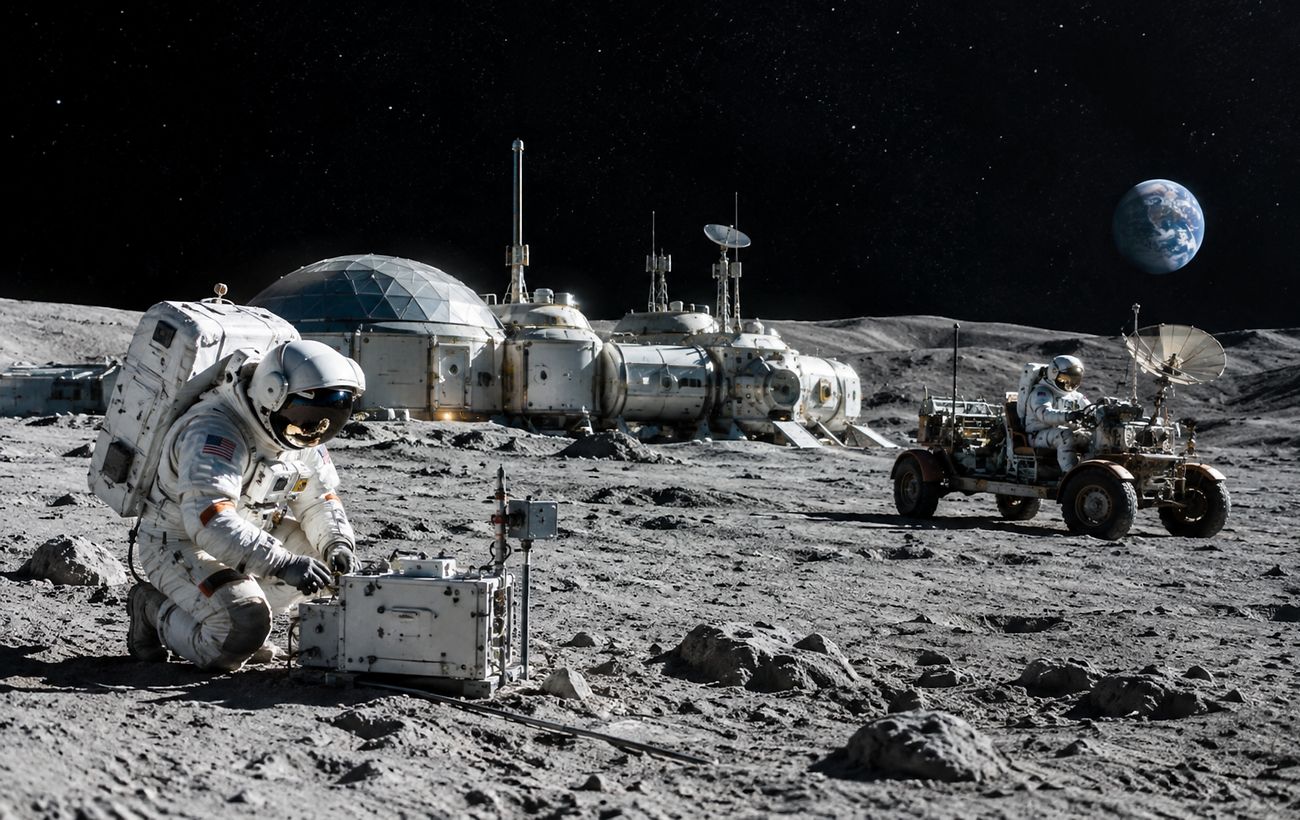
To enable long-term human presence on the Moon, NASA is implementing seven key technologies, ranging from nuclear reactors to in-situ resource extraction.
 💡Tech
Photo: RBC-Ukraine
Key points
- Development of nuclear reactors for stable power supply
- Extraction of oxygen and water directly from lunar soil
- Creation of protection systems against radiation and abrasive lunar dust
Technological challenges of lunar colonization
Establishing a permanent base on the Moon requires solving complex engineering challenges that go beyond the capabilities of current missions. NASA, in collaboration with international partners, is working on seven critical technologies designed to ensure astronaut autonomy in the harsh lunar environment.
Energy supply remains one of the primary obstacles. Given the lunar day-night cycle, which lasts 14 Earth days, solar panels alone cannot provide consistent power. The agency is exploring compact nuclear reactors, such as the Lunar Reactor-1, to ensure stable electricity regardless of lighting or weather conditions.
Resource utilization and protection
The logistics of transporting water, oxygen, and fuel from Earth is cost-prohibitive. Consequently, NASA's strategy centers on ISRU (In-Situ Resource Utilization). Plans include extracting water ice from the lunar south pole and producing oxygen from regolith. Furthermore, advanced air and water recycling systems are being developed to operate autonomously for years.
Special attention is also given to protection against the aggressive environment. The abrasive nature of lunar dust and high radiation levels require innovative construction approaches. Engineers plan to use layers of regolith to shield living modules and employ electrodynamic dust shields to keep equipment clean.
Source RBC-Ukraine — rbc.ua/ukr/news/vid-dernogo-reaktora-5g-shcho-potribno-nasa-1794836… ↗
Read next
 🛡️Security
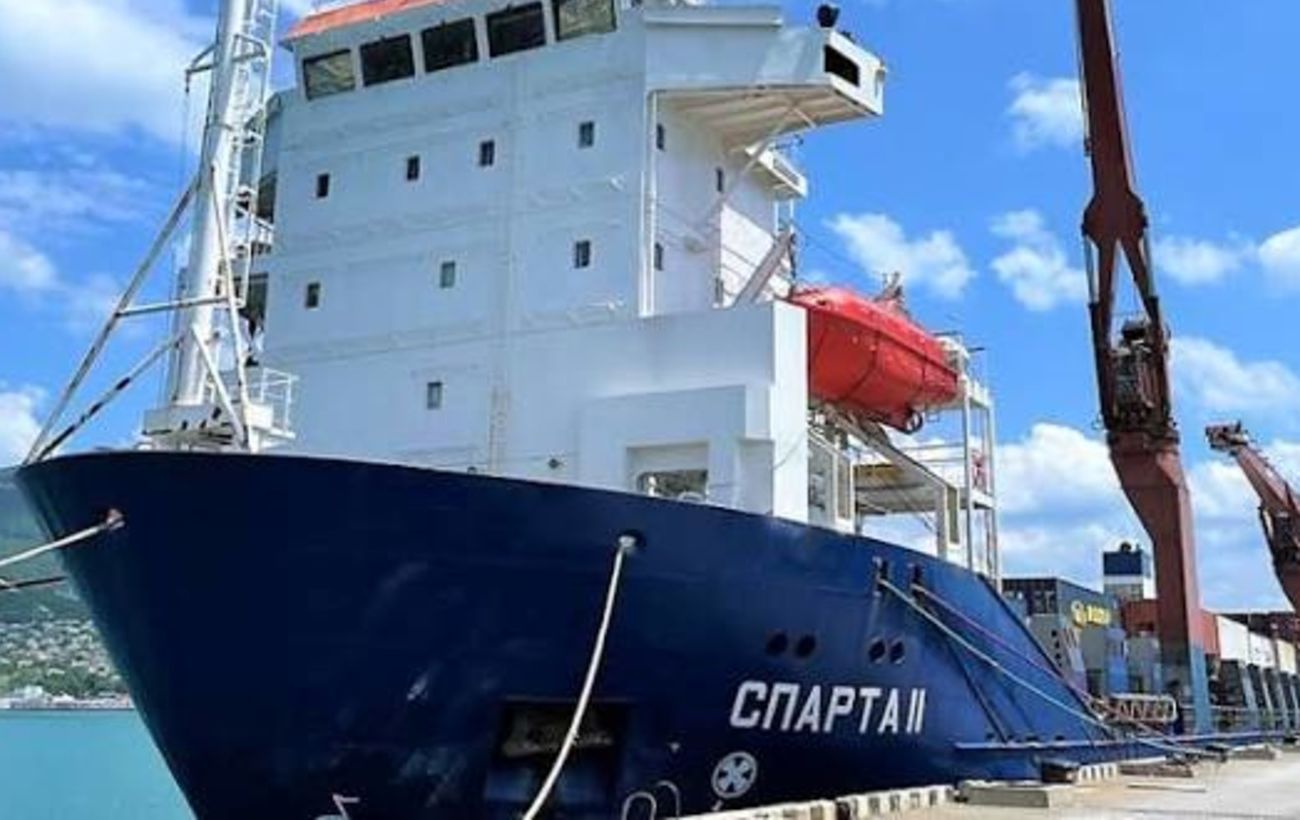
Russian Vessel Sparta II Still on Fire in the Gulf of Finland Following Drone Attack
Rescue operations continue in Finnish territorial waters to extinguish a fire aboard the Russian cargo ship Sparta II, struck by Ukrainian drones on November 21.
 🧠AI Analysis
Law Enforcement Showdown: Why NABU's Investigation Against SBU Special Forces Creates a Dangerous Precedent
The National Anti-Corruption Bureau has initiated criminal proceedings against SBU Alpha special forces over seized funds during last year's searches.
 🎓Education
Staff at Cherkasy Kindergarten No. 65 Master First Aid Skills
Teachers and support staff at a local kindergarten completed a practical first aid and bleeding control training session.
 🛡️Security
Strike on Dymer in Kyiv Region: Rescue Operations Underway, 14 Residents Unreachable
A hostile drone attack overnight heavily damaged an apartment building in Dymer, Kyiv region, leaving residents unaccounted for.
 🏙️City
The Culture of Restoration: How Communities Adapt to Living in a Damaged Reality
An exploration of why contemporary realities require a shift toward everyday infrastructure maintenance and the often-invisible labor of repair.
 🩺Health
Theatre Tours in Europe: Why Ukrainian Comedies Abroad Often Bring Viewers to Tears
Producer Serhii Chudaiev shares insights on the challenges of Ukrainian theatre tours in Europe, audience reactions, and logistical hurdles.