Cascading Crisis in Metallurgy Threatens Ukrainian City Budgets and Jobs
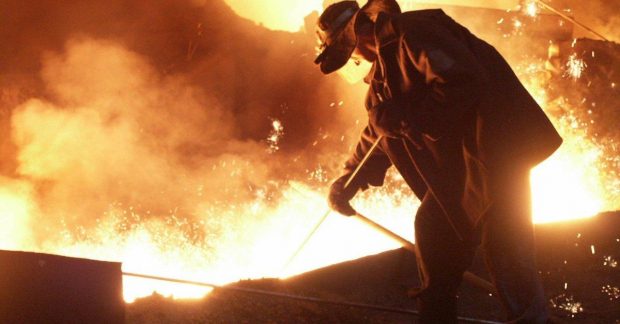
Production cuts in Ukraine's mining and metals sector are triggering a chain reaction that leads to tax deficits and financial strains for local communities.
 💼Economy
Photo: UNIAN
Key points
- The metallurgical crisis has caused a drop in tax revenues for the state budget and municipal treasuries.
- Production cuts at large plants affect related sectors such as energy, logistics, and small businesses.
- Industrial cities are forced to sequester budgets and abandon infrastructure projects.
Ukraine's metallurgical industry is facing a deep systemic crisis with consequences that extend far beyond individual enterprises. Driven by a combination of destructive factors, including ongoing attacks on energy infrastructure, difficult logistics, and restrictions in external markets, key market players are forced to scale down output. This situation inevitably undermines the country's financial stability, as the mining and metals sector traditionally accounts for a significant share of foreign exchange earnings and GDP.
Chain Reaction and Budget Losses
According to industry analysts, major metallurgical plants reported a substantial decrease in tax payments over the first three quarters of the year. Specifically, revenues from value-added tax and corporate income tax have declined. Problems within the sector trigger a cascading effect, as steel mills generate steady orders for related economic sectors, such as energy, railway transport, engineering, and small businesses.
“We have reached a critical point,” noted Metinvest CEO Yuriy Ryzhenkov, commenting on the loss of production and export capabilities.
Industrial cities and local communities suffer the most, as their budgets directly depend on personal income tax and land tax revenues from major enterprises. Shrinking financial resources force local authorities to implement budget sequestration, cancel capital expenditures, and freeze projects related to infrastructure development, road repairs, schools, and hospitals.
Production shutdowns are inevitably accompanied by job losses, which lower overall consumer spending and negatively impact local entrepreneurship and the service sector. Experts emphasize that resolving logistical issues, ensuring uninterrupted energy supplies, and unblocking maritime routes are critical steps to stabilizing the situation.
Source UNIAN — unian.ua/society/kaskadniy-efekt-padinnya-virobnictva-u-metalurgiji… ↗
Read next
 🧠AI Analysis
Cherkasy region faces significant cold snap: forecasters predict night frosts down to -13 degrees
At the end of November, Arctic air will arrive in Ukraine, bringing a noticeable drop in temperature and the first serious frosts.
 🛡️Security
Another Night Attack on Kyiv: Drone Debris Falls in Three Districts, Causing Fires and Injuries
On Monday, November 23, Russian forces launched another drone attack on Kyiv. The fall of drone debris in the Shevchenkivskyi, Holosiyivskyi, and Pecherskyi districts cau…
 👥Society
Culinary math: how to measure ingredients without kitchen scales
We explain how to correctly measure flour, sugar, and salt using standard cutlery to ensure your recipes turn out perfectly.
 🛡️Security
Kamyanka in Cherkasy Region to Bid Farewell to 26-Year-Old Defender Viacheslav Kulakov
The Cherkasy community prepares to say its final goodbye to fallen soldier Viacheslav Kulakov, who was born in the Donetsk region and relocated to the area following the …
 🇺🇦Ukraine
NATO Secretary General Mark Rutte rejects Russian demands for withdrawal to 1997 borders
The NATO Secretary General has dismissed Russian ultimatums regarding European security architecture, emphasizing their lack of viability.
 🧠AI Analysis
Russia builds new military infrastructure 60 km from Finnish border
Satellite imagery reveals a major overhaul of the Kamenka garrison on the Karelian Isthmus, where a new combat training center is being constructed.