The History and Traditions of New Year: Why We Celebrate on January 1st
We explore how the date of the new year changed over centuries and why the Gregorian calendar became the standard for the modern world.
 🎭Culture & Sport
Photo: TSN
Key points
- January 1st was established as the start of the year through the Julian and Gregorian reforms.
- The month is named after Janus, the god of beginnings and transitions.
- Diverse cultures worldwide maintain unique dates and rituals to welcome a new cycle.
From Ancient Cycles to the Modern Calendar
The tradition of celebrating the beginning of the new year on January 1st has deep roots dating back to Ancient Rome. While many ancient civilizations, such as the Babylonians or Egyptians, linked the event to the spring equinox or the flooding of the Nile, it was Julius Caesar's reform that established January as the starting point. The month's name derives from the god Janus, who symbolized transitions and looking both into the past and the future.
The Evolution of Time and Cultural Specifics
Throughout the Middle Ages, European countries lacked a unified celebration date, often relying on religious holidays like Christmas or the Annunciation. The situation only shifted after the introduction of the Gregorian calendar by Pope Gregory XIII in 1582, which helped standardize chronology.
Today, the world showcases a variety of customs: from eating 12 grapes in Spain to the 108 bell tolls in Japan. These rituals underscore the human desire for renewal and prosperity, regardless of the calendar used.
Source TSN — tsn.ua/tsikavinki/koly-sviatkuiut-novyy-rik-chomu-data-prypadaye-na-1-s… ↗
Read next
 🧠AI Analysis
Cherkasy region faces significant cold snap: forecasters predict night frosts down to -13 degrees
At the end of November, Arctic air will arrive in Ukraine, bringing a noticeable drop in temperature and the first serious frosts.
 🛡️Security
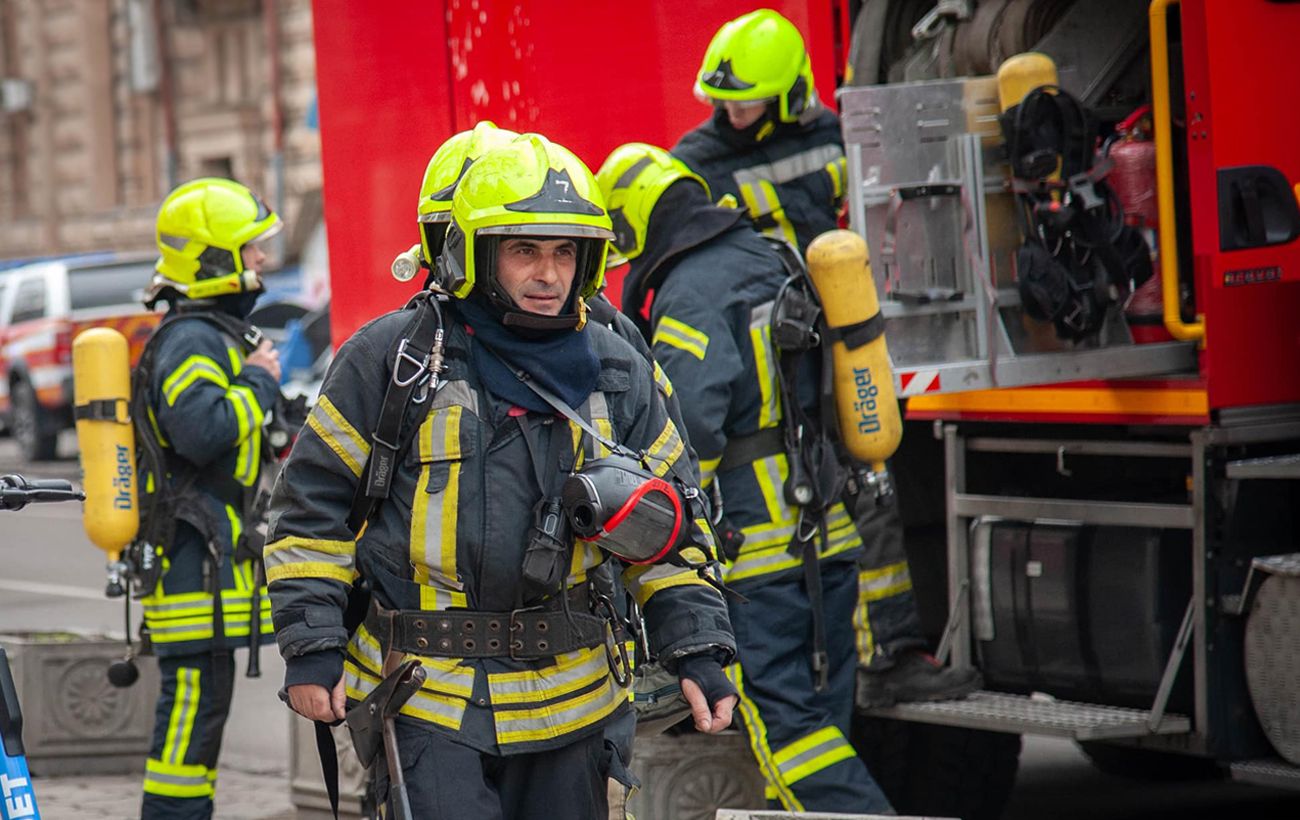
Another Night Attack on Kyiv: Drone Debris Falls in Three Districts, Causing Fires and Injuries
On Monday, November 23, Russian forces launched another drone attack on Kyiv. The fall of drone debris in the Shevchenkivskyi, Holosiyivskyi, and Pecherskyi districts cau…
 👥Society
Culinary math: how to measure ingredients without kitchen scales
We explain how to correctly measure flour, sugar, and salt using standard cutlery to ensure your recipes turn out perfectly.
 🛡️Security
Kamyanka in Cherkasy Region to Bid Farewell to 26-Year-Old Defender Viacheslav Kulakov
The Cherkasy community prepares to say its final goodbye to fallen soldier Viacheslav Kulakov, who was born in the Donetsk region and relocated to the area following the …
 🇺🇦Ukraine
NATO Secretary General Mark Rutte rejects Russian demands for withdrawal to 1997 borders
The NATO Secretary General has dismissed Russian ultimatums regarding European security architecture, emphasizing their lack of viability.
 🧠AI Analysis
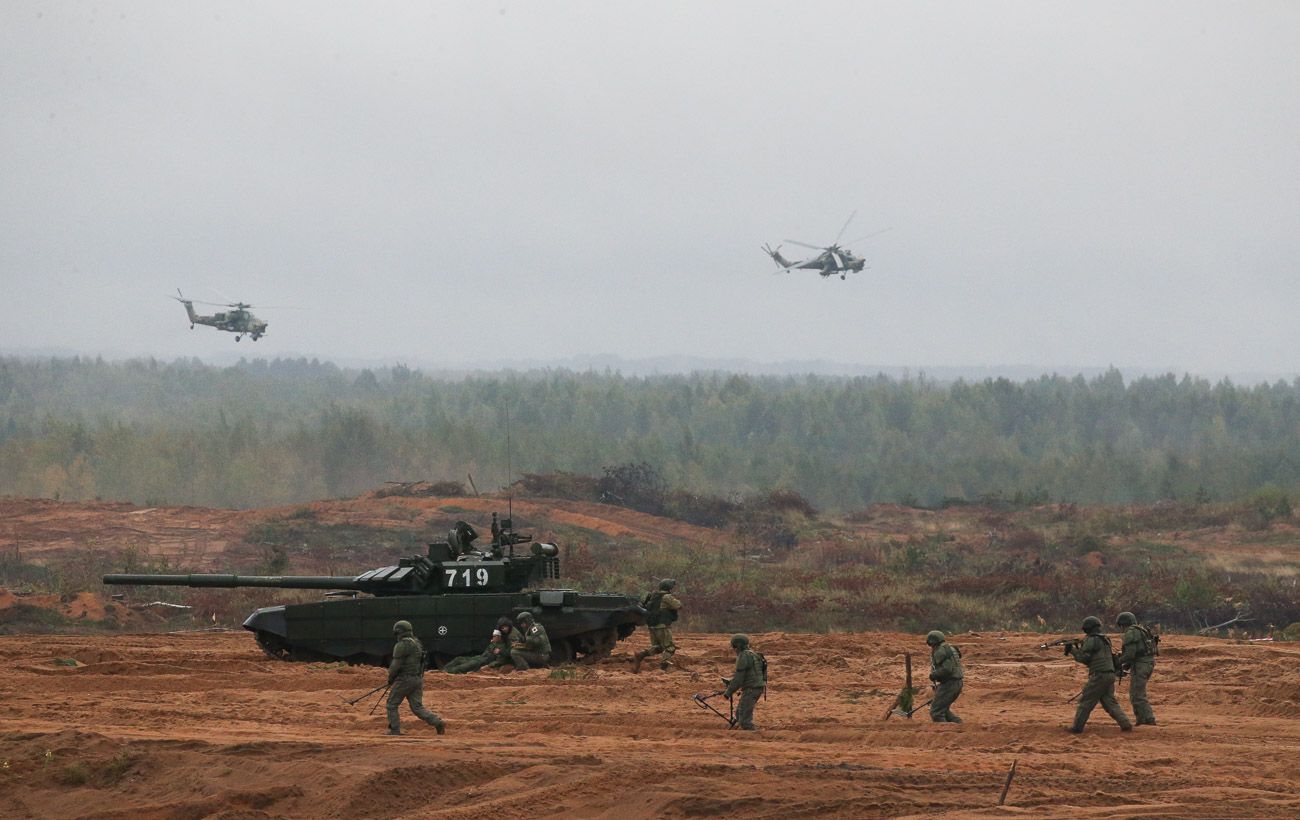
Russia builds new military infrastructure 60 km from Finnish border
Satellite imagery reveals a major overhaul of the Kamenka garrison on the Karelian Isthmus, where a new combat training center is being constructed.